
Ear infections are one of the most common childhood health problems and a frequent reason parents seek medical care. While many cases resolve with proper treatment, repeated or untreated ear infections can lead to hearing difficulties, speech delays, school challenges, and long-term ear damage.
In Tanzania’s warm, dusty, and sometimes humid environments, children may be especially vulnerable to ear problems triggered by infections, allergies, or upper respiratory illnesses. At Denova ENT & Allergy Medical Center, we help families understand the early warning signs of ear disease and provide timely care to protect a child’s hearing and development.
Knowing what to look for and when to seek specialist evaluation can make a significant difference in your child’s health.
What Is an Ear Infection?
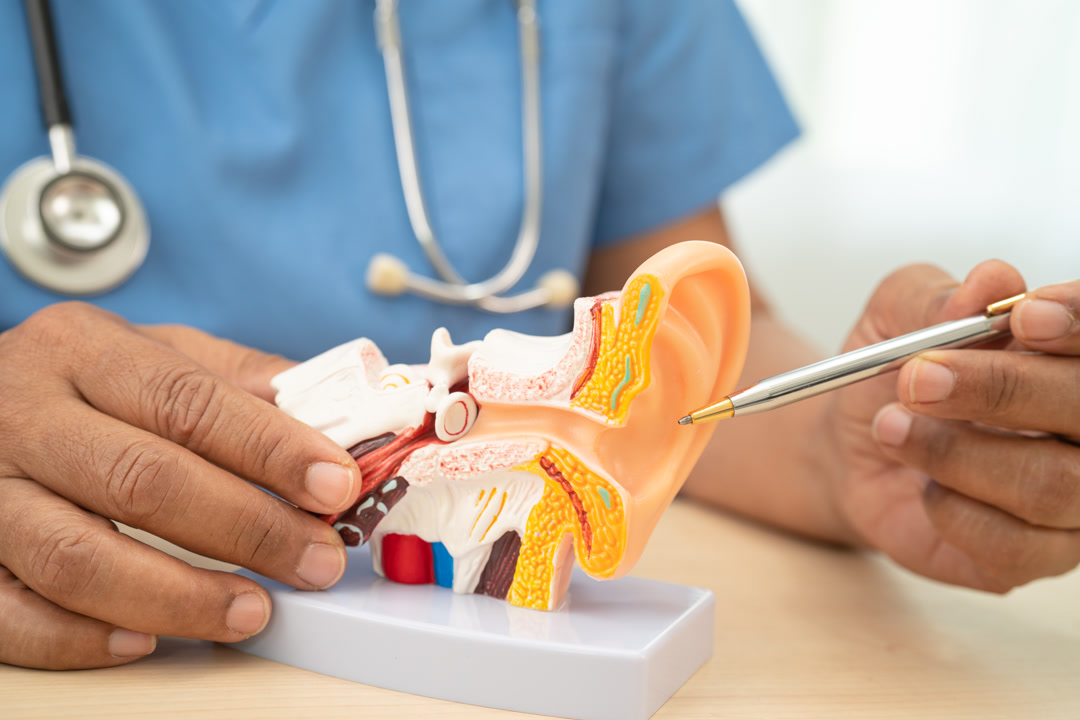
An ear infection usually involves inflammation and fluid buildup in the middle ear, the air-filled space behind the eardrum. This area is connected to the back of the nose by a small canal called the Eustachian tube, which helps equalize pressure and drain fluid.
In children, this tube is shorter and more horizontal than in adults, making it easier for mucus and bacteria to become trapped. When fluid cannot drain properly, germs multiply and infection develops.
Why Children Are More Prone to Ear Infections
Several factors increase a child’s risk:
- Developing immune systems that are still learning to fight infections
- Frequent colds or throat infections
- Exposure to dust, smoke, or pollution
- Allergic inflammation that blocks nasal passages
- Enlarged adenoids near the ear canals
- Bottle-feeding while lying flat
- Attendance at daycare or school, where infections spread easily
Seasonal respiratory illnesses and environmental irritants can further raise the likelihood of recurring ear problems.
Common Signs Parents Should Watch For
Younger children may not be able to explain what they feel, so physical and behavioral clues become especially important.
In Babies and Toddlers
- Tugging or pulling at the ears
- Crying more than usual, especially at night
- Difficulty sleeping
- Fever
- Fluid draining from the ear
- Loss of appetite
- Irritability or restlessness
- Trouble hearing or responding to sounds
In Older Children
- Ear pain or pressure
- Complaints of muffled hearing
- Ringing or buzzing in the ear
- Headaches
- Balance problems
- Fever
- Difficulty concentrating in school
Any sudden hearing change or severe pain should be taken seriously.
Environmental and Climate-Related Triggers
In warmer or dust-heavy settings, certain conditions can make ear infections more common:
Dust and Air Pollution
Particles inhaled through the nose can irritate the nasal passages and Eustachian tubes, increasing swelling and blocking normal drainage.
Humidity and Damp Living Spaces
Moist environments can encourage bacteria and mold growth, which may contribute to repeated respiratory infections that spread to the ears.
Allergies
Children with nasal allergies often have chronic congestion and inflammation, which interferes with ear ventilation and makes infections more likely.
Swimming and Water Exposure
Water trapped in the ear canal after swimming can sometimes lead to outer-ear infections, especially if the skin inside the ear becomes irritated or injured.
When Should Parents Seek Medical Care?
Not every earache requires emergency treatment, but certain situations call for professional evaluation.
You should seek medical attention if:
- Ear pain lasts longer than 24 hours
- Fever is present
- Fluid or pus drains from the ear
- Your child seems unable to hear well
- Symptoms keep returning
- Balance problems appear
- The child is younger than two years old with ear pain
- Pain is severe or suddenly worsens
Repeated infections, even if mild, should also be assessed to prevent long-term complications.
Why Early ENT Care Matters
Prompt evaluation by an ENT specialist can:
- Confirm whether an infection is present
- Determine if fluid remains behind the eardrum
- Identify structural problems or enlarged adenoids
- Detect hearing loss early
- Reduce the risk of chronic ear disease
- Prevent speech and learning delays
Left untreated, recurring ear infections can sometimes cause scarring of the eardrum, damage to middle-ear bones, or persistent hearing problems.
How Denova Evaluates and Treats Pediatric Ear Problems
At Denova ENT & Allergy Medical Center, we take a child-friendly and thorough approach to ear care. Our clinicians begin with a detailed history of symptoms, recent illnesses, allergy patterns, and environmental exposures.
Evaluation may include:
- Gentle ear examination using specialized instruments
- Hearing screening when needed
- Assessment of nasal passages and throat
- Allergy testing if chronic congestion is suspected
- Imaging studies in complex or recurrent cases
Treatment is tailored to the child’s condition and may include medications to control infection and inflammation, allergy management plans, ear-care guidance, or monitoring fluid levels over time.
For children with frequent or severe infections, minimally invasive procedures such as ear tube placement may be considered to improve ventilation and prevent repeated illness.
How Parents Can Help Reduce Risk at Home
While not all ear infections are preventable, simple measures can lower the chances:
- Keep children away from tobacco smoke
- Reduce dust inside the home through regular cleaning
- Treat nasal allergies promptly
- Encourage handwashing to limit infections
- Keep vaccinations up to date
- Dry ears carefully after swimming
- Avoid putting objects or cotton swabs inside the ear
Creating a clean air environment and managing colds early can protect ear health.
Protecting Your Child’s Hearing Starts Early
Hearing plays a crucial role in speech development, learning, and social interaction. Even temporary hearing loss from fluid buildup can affect a child’s progress in school and confidence with communication.
If your child has frequent ear infections, struggles to hear clearly, or shows signs of discomfort, early specialist care can make a lasting difference.
Denova ENT & Allergy Medical Center is committed to helping families safeguard their children’s ear health through careful diagnosis, modern treatment options, and compassionate care.
Schedule an appointment with Denova to ensure your child’s hearing and comfort are protected for years to come.
